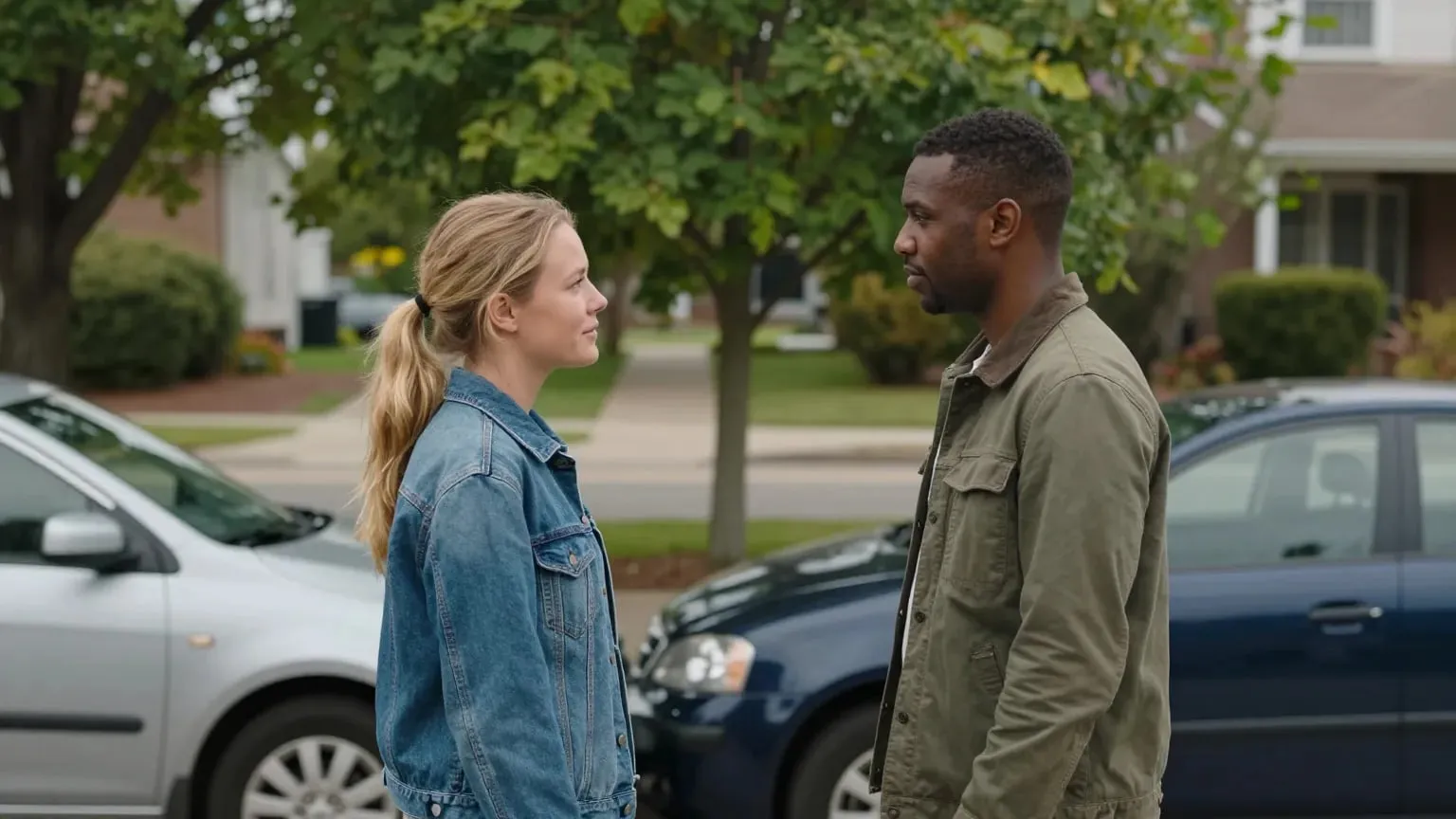
Your First Ticket or Accident: What Happens to Your Car Insurance Rate
A first speeding ticket or at-fault crash can raise your car insurance for about three years. How surcharges work, what doesn't count and what to do next.

Getting a letter from the DMV that says “proof of financial responsibility required” is stressful, especially if it’s your first serious brush with the system. Maybe it was a DUI. Maybe you drove for a few months without insurance after your old policy quietly canceled. Maybe a fender-bender turned into a suspension because you couldn’t pay the other driver’s claim. Whatever happened, there’s a clear way back. This page explains what an SR-22 and an FR-44 actually are, how the filing process works, what drives your price, and how to keep one mistake from turning into three.
“High-risk” isn’t an official label. It’s how insurers describe drivers they expect to file more claims. A filing requirement is a separate, legal issue. You can be one without the other, so it helps to know which describes you.
You likely need an SR-22 or FR-44 filing if:
You may be a high-risk driver without needing a filing if:
If you’ve had a single speeding ticket, you probably don’t need anything on this page. Start with your first ticket or accident and what happens to your rate, and our first-car and young driver auto insurance page.
| Option | What it is | Where it’s used | Liability limits it proves | Common triggers |
|---|---|---|---|---|
| SR-22 | Certificate from your insurer proving you carry required liability coverage | Most states that use filings | Your state’s minimum, or more if ordered | Driving uninsured, crash-related suspension, unpaid judgment, some serious violations |
| FR-44 (Florida) | Higher-limit certificate after DUI | Florida only | At least 100,000 per person / 300,000 per crash for bodily injury and 50,000 property damage | DUI conviction or plea |
| FR-44 (Virginia) | Higher-limit certificate after certain alcohol and license violations | Virginia only | Double Virginia’s SR-22 minimums | DUI, maiming while under the influence, driving while your license is forfeited |
| Non-owner policy with filing | Liability coverage for you when you drive cars you don’t own | Widely available | Same as the filing requires | Need to reinstate a license but don’t own a car |
| State residual market plan | Last-resort coverage assigned to an insurer when no company will take you | Many states; names and details vary | At least state minimums, with options for more | Declined in the regular market |
Sources: Florida HSMV (opens in a new tab), Virginia DMV (opens in a new tab), Texas DPS (opens in a new tab), New York DFS (opens in a new tab).
A filing only proves you meet a legal minimum, which covers damage and injuries you cause to others. It doesn’t fix your own car. If you’re financing or leasing, your lender will almost certainly require collision and comprehensive too. Our explainer on what “full coverage” actually means breaks down those parts. And remember that state minimums can be low compared with what a serious crash costs. If you have savings or a paycheck worth protecting, higher limits are worth pricing.
Some filings attach to a vehicle you own. Others attach to you as a driver. If you don’t own a car but need to reinstate your license, a non-owner policy can carry the filing (Texas DPS (opens in a new tab)). It usually won’t cover a car you own or one you drive regularly, like a partner’s car or a roommate’s. Tell us how you actually drive so the policy matches.
If a few companies say no, keep going. Agents work with different sets of insurers, and some specialize in higher-risk drivers. If you still can’t find coverage, many states run a last-resort option, often called an assigned risk plan. In New York, for example, the Automobile Insurance Plan assigns your application to an insurer, and premiums there are generally higher than in the regular market. You can leave as soon as a regular insurer accepts you (New York DFS (opens in a new tab)).
We won’t quote numbers here because high-risk pricing varies widely by insurer and state. These are the factors that actually move it:
The most effective way to bring the price down over time is boring: keep the policy active, pay on time, and avoid new tickets and claims.
We work with drivers who are embarrassed, confused or both, and we keep it practical.
If you also drive for an app, see our gig, rideshare and delivery auto page so your work hours aren’t left uncovered.
There is no cost to work with us. Agencies like ours are paid by the insurance companies whose policies we offer.
A filing requirement is a detour, not a dead end. With the right policy, a continuous record and a little patience, your options and prices usually improve. Book a free consultation with a licensed agent and bring your DMV letter. We’ll explain exactly what it asks for and help you find coverage that meets it.
No. An SR-22 is a certificate your insurance company files with the state to prove you carry at least the liability coverage the law requires. You still need an auto policy behind it. People call it SR-22 insurance as shorthand, but the filing and the policy are two separate things.
Both prove financial responsibility, but an FR-44 is used only in Florida and Virginia, mostly after DUI-related convictions, and it requires higher liability limits. Florida's FR-44 calls for at least 100,000 dollars per person and 300,000 dollars per crash for bodily injury plus 50,000 dollars for property damage. Virginia's FR-44 requires double its standard SR-22 minimums.
It depends on your state and your violation. Texas generally requires it for two years from the conviction or judgment date, while California generally requires proof for three years from the first date you file. Your court order or DMV letter is the final word, so confirm your exact end date with the agency before you drop the filing.
If the state requires one to reinstate your license, yes. A non-owner policy covers you when you drive cars you don't own and can carry an SR-22 filing. It usually doesn't cover a car you own or one you have regular access to, such as a roommate's car you drive every day.
Your insurer is required to tell the state when the policy cancels or lapses. In many states that can lead to another suspension of your license, and sometimes your registration. Getting a new filing in place before the old policy ends is the safest way to avoid that.
Usually not. The requirement belongs to the state that imposed it, and many states expect you to keep proof on file for the full period even after you move. California, for example, asks out-of-state drivers to maintain proof through an insurer authorized in their new home state. Check with the original state before you change anything.
Insurers decide whom they'll cover and at what price based on risk. A serious violation, several tickets or a coverage gap can lead a company to non-renew your policy. Other insurers specialize in higher-risk drivers, and many states run a last-resort plan for drivers no one else will take.
Insurers may charge a filing fee, and your state may charge a reinstatement fee to restore your license. The bigger cost usually comes from the violation's effect on your premium. We show you any fees up front when we quote.
A filing alone doesn't decide that. Personal auto policies often exclude or limit coverage while you're working for an app, and each platform has its own driver requirements. Talk to us about business-use coverage before you start taking orders or rides.
No. There is no cost to work with us. Licensed agencies are paid by the insurance companies whose policies they offer, so your premium is the same whether you buy through us or directly.
Last reviewed by the Wrenfield Licensed Agent Team on October 19, 2026.
Important information
Auto insurance rates, discounts and coverage options vary by state, carrier, driver and vehicle, and all discounts are subject to eligibility. State minimum liability requirements differ; minimum limits may not fully protect you after a serious accident.
Plans, benefits and pricing vary by state and carrier. Quotes aren’t final until the carrier issues a policy.
Keep learning
A first speeding ticket or at-fault crash can raise your car insurance for about three years. How surcharges work, what doesn't count and what to do next.
Crash data explains why drivers in their teens and twenties pay more for car insurance, what's true about age 25, and what you can do now.
A move across state lines opens a 60-day health enrollment window and changes your car insurance. Here's the timeline for both, step by step.